Art the Clown isn’t exactly known for restraint. If you’ve followed Damien Leone’s trajectory from a low-budget anthology segment to a box-office juggernaut, you already knew that. But nothing—honestly, nothing—prepared audiences for the Terrifier 3 mall scene. It’s the kind of sequence that makes seasoned gorehounds look away. It’s mean. It’s loud. It’s undeniably effective.
Walking into a theater in 2024 felt different for this one. There was this palpable anxiety in the air. People were whispering about the "mall sequence" before the lights even dimmed. When it finally happens, the shift in energy is immediate. We aren't just watching a slasher movie anymore; we are watching a director push the boundaries of what is socially acceptable in a mainstream theatrical release.
The anatomy of the mall massacre
Let’s get into the specifics because the context matters. Terrifier 3 is a Christmas horror movie. That choice alone adds a layer of perversion to the violence. Art the Clown, played with terrifying physical precision by David Howard Thornton, decides to fill in for a mall Santa. He isn't there to give out coal.
The scene starts with a deceptive stillness. You have the typical mall backdrop: bright fluorescent lights, cheesy holiday decor, and a line of kids waiting to see Santa. It’s a setting associated with safety and childhood nostalgia. When Art takes the chair, the tension is suffocating. He’s wearing the suit. He has the beard. But the eyes are wrong. Everything is wrong.
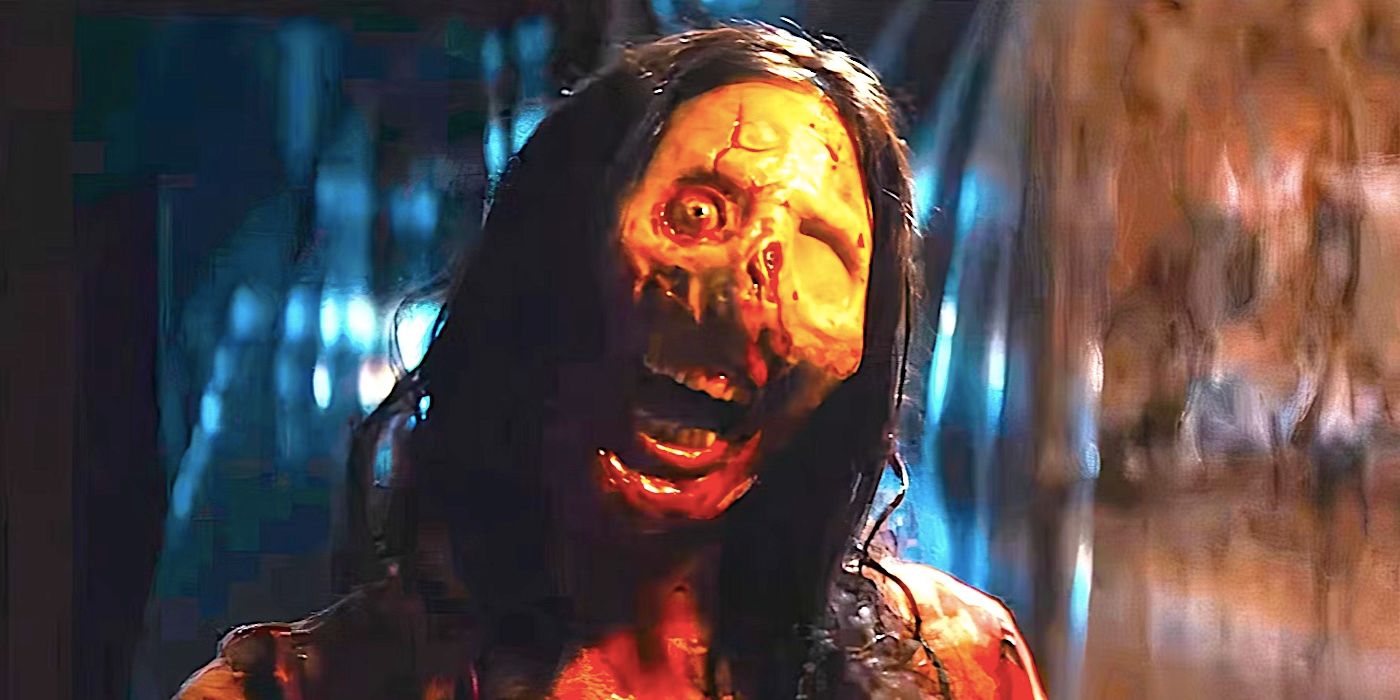
The violence, when it finally erupts, isn't just "movie gore." It feels heavy. Leone uses practical effects—a hallmark of the franchise—to ensure every impact has weight. We see a liquid nitrogen tank brought into play. If you know anything about the physics of extreme cold, you know where this is going. The "shattering" effect isn't just a visual trick; it's a visceral, stomach-turning realization of how fragile the human body is.
Why the Terrifier 3 mall scene hit a nerve
Most horror movies follow an unwritten set of rules. You don't usually mess with kids. You don't usually turn a communal, joyous space into a literal slaughterhouse without some kind of narrative "out."
Terrifier 3 doesn't give you an out.
The backlash was almost instantaneous. Social media was flooded with reports of people walking out of theaters during the first ten minutes. It wasn't just about the blood. It was about the nihilism. The Terrifier 3 mall scene challenges the viewer's endurance. It asks: "How much can you actually watch before it stops being fun?"
Critics were divided. Some called it a masterclass in practical makeup effects, praising Leone’s commitment to the "old school" ways of Tom Savini or Rob Bottin. Others found it repulsive and unnecessary. This divide is exactly why the movie performed so well. Controversy is the best marketing tool in the horror genre. When a movie is "too scary" or "too gross" for the general public, the hardcore fans flock to it like a moth to a flame.
The logistics of the gore
Practical effects are a dying art in Hollywood. Most big-budget films rely on CGI blood that looks like floating pixels. Not here.
- Liquid Nitrogen: The use of chemicals to "prep" a victim adds a scientific cruelty to Art’s madness.
- The Explosive Payoff: Without spoiling the exact frame-by-frame, the aftermath of the Santa chair sequence involves a level of cleanup that would make a hazmat team quit on the spot.
- Sound Design: The wet, crunching sounds are arguably worse than the visuals. You can close your eyes, but you can't "un-hear" it.
Damien Leone has been vocal about his process. He does the effects himself. He knows exactly how he wants the prosthetic skin to tear. He knows how the fake blood should spray to catch the light. This artisanal approach to carnage is why the mall scene feels so much more "real" than a multi-million dollar Marvel fight. It’s personal. It’s hand-crafted. It’s disgusting.
Comparing the mall to the "Bedroom Scene" from Part 2
Everyone thought the bedroom scene in Terrifier 2 was the peak. It went on for what felt like twenty minutes. It was exhaustive. However, the mall scene in the third installment feels different because of the scale. The bedroom was intimate; the mall is public.
In the second film, the victim was a teenager. In the third, the victims are... well, everyone. The sheer randomness of Art’s targets in the mall is what makes it so disturbing. There is no logic. There is no "final girl" logic protecting the people in that line. It’s just chaos.
Honestly, the Terrifier 3 mall scene succeeds because it breaks the social contract of the cinema. We expect a certain level of safety in our tropes. We expect the "bad thing" to happen off-screen or to be softened by a joke. Art doesn't joke. He mimes. He laughs silently. And then he destroys everything in the room.
Is it "Too Far" or just the new standard?
There’s a conversation happening right now about "extreme" horror. Films like The Sadness or When Evil Lurks have pushed the needle, but Terrifier 3 did it in 2,000+ theaters across America. That’s a huge deal. Usually, movies this intense are relegated to Shudder or underground festivals.
- The Commercial Impact: The film debuted at number one. Think about that. A movie featuring a mall massacre by a demon clown beat out massive studio productions.
- The Audience Reaction: Reports of barf bags being handed out at UK screenings weren't just a gimmick. People genuinely struggled with the sensory overload.
- The Legacy: This scene will be talked about in the same breath as the chest-burster from Alien or the shower scene in Psycho. Not because it’s "good" in a traditional sense, but because it’s an indelible image.
The reality is that horror thrives on escalation. You can't keep doing the same thing. If Leone hadn't topped the second film, fans would have been disappointed. By targeting the mall—a staple of 80s and 90s slasher cinema—he reclaimed a tired trope and made it dangerous again.
What to do if you’re planning a rewatch
If you missed the details the first time because you were squinting through your fingers, there are a few things to look for. Notice the background actors. Their reactions aren't just "acting"; Leone often keeps the full extent of the gore hidden from the extras until the cameras are rolling to get genuine shock.
Also, look at the lighting. The transition from the warm, gold "Christmas" glow to the harsh, cold blue of the liquid nitrogen sequence is a visual cue for the shift in tone. It’s subtle, but it works on a psychological level.
Final takeaways for horror fans
The Terrifier 3 mall scene isn't for everyone. It shouldn't be. If it were palatable for the masses, it wouldn't be a Terrifier movie. It stands as a testament to independent filmmaking and the power of practical effects.
- Respect the Craft: Even if you hate the content, the technical skill required to pull off those stunts and prosthetics is undeniable.
- Know Your Limits: There is no shame in fast-forwarding. Really.
- The Context Matters: This isn't just "torture porn." It’s a specific subgenre of grand guignol horror that treats the human body like a prop in a dark comedy.
Next time you're at the mall during the holidays, you’ll probably think of Art. You’ll look at the Santa display a little differently. You’ll check the exits. That is the mark of a truly effective horror sequence. It follows you home. It ruins a perfectly normal location. It stays in the back of your mind, waiting for the lights to go out.
If you're looking to dive deeper into how these effects were made, your best bet is to follow the behind-the-scenes features released by Cineverse. They break down the mold-making process for the "nitrogen victims" and show the sheer amount of red corn syrup used on set. It’s a fascinating look at the "blue-collar" side of movie magic—where the magic is mostly just cleaning up sticky messes for fourteen hours a day.
Stick to the official releases for the high-quality breakdowns. Watching low-res clips on social media doesn't do justice to the lighting and sound work that makes the mall scene so uniquely jarring. If you're going to experience Art the Clown's handiwork, do it in a way that lets you see every single gruesome detail.