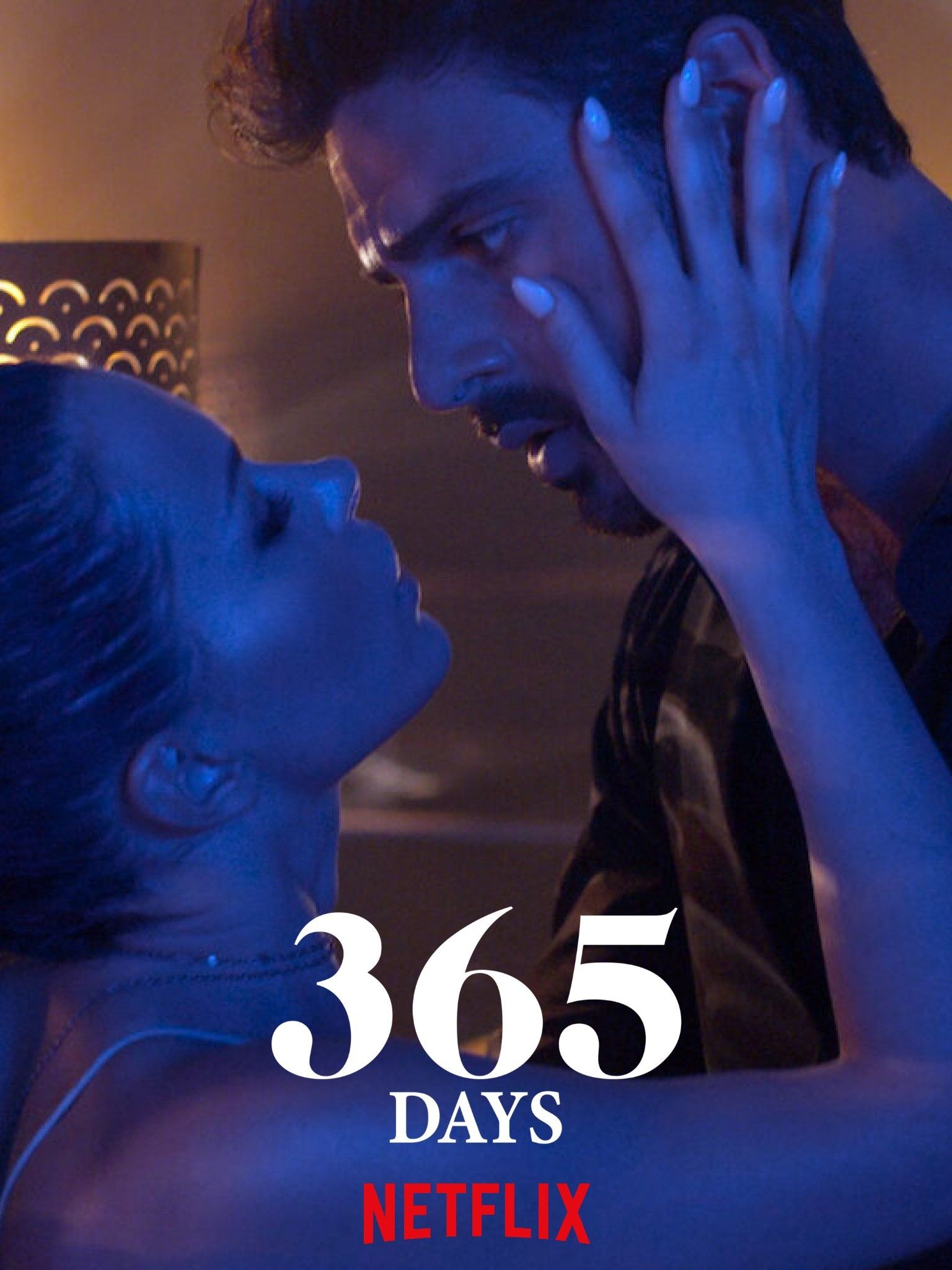
Honestly, if you were on the internet in 2020, you couldn't escape it. People weren't just talking about the movie; they were specifically obsessed with the 365 days airplane scene. It was everywhere. TikTok was flooded with "reaction" videos where people sat in stunned silence or laughed awkwardly as the scene played out. It became a cultural flashpoint. It wasn't just another spicy moment in a romance film. It was the moment that turned a Polish production into a global phenomenon, practically overnight.
Why?
Because it pushed boundaries that mainstream streaming services usually avoid. Michele Morrone’s character, Massimo, and Anna-Maria Sieklucka’s Laura engage in a sequence that feels more like a music video than a traditional film scene. It’s stylized. It’s high-contrast. It’s incredibly loud. And for a lot of viewers, it was their first introduction to the "dark romance" subgenre that has since exploded across platforms like Kindle Unlimited and Wattpad.
What Actually Happens in the 365 Days Airplane Scene
Let’s get the facts straight. The scene occurs relatively late in the first film of the trilogy. Massimo is flying Laura back to Italy on a private jet. It starts with a power dynamic struggle. That’s the core of the whole movie, really. Massimo is a mafia boss who has kidnapped Laura, giving her a year to fall in love with him. It’s a controversial premise. Critics hated it. Audiences, however, pushed it to the top of the "Most Watched" charts for weeks.
In the airplane, the tension finally snaps. The cinematography uses a lot of tight, claustrophobic shots to emphasize the setting of the private cabin. The lighting is moody, mostly blues and dark shadows, which hides the low-budget constraints of the production. Most people remember the choreography. It was handled by Bartek Cierlica, the cinematographer who also worked on the sequels. He mentioned in several interviews that the goal wasn't just to be "sexy" but to look authentic. They wanted it to feel raw, even if the premise was totally over-the-top.
The Impact of the Soundtrack
You can't talk about the 365 days airplane scene without mentioning the music. The song "Hard For Me" by Michele Morrone himself plays over the sequence. It’s a slow, raspy ballad that fits the "dark" aesthetic perfectly. Using the lead actor’s own music was a brilliant marketing move. It created a feedback loop. Fans would watch the scene, look up the song on Spotify, and then see Morrone’s face again. It made him a star. Before this movie, he was a relatively unknown Italian actor. After the airplane scene went viral, his Instagram followers jumped into the millions within days.
Why This Scene Ruled the Internet
The viral nature of this specific moment wasn't an accident. It was the perfect storm of timing and shock value. In 2020, the world was stuck inside. People were bored. They wanted escapism, even the messy, problematic kind.
The 365 days airplane scene worked because it was "watch-party" material. It was something you sent to a friend with a text saying, "Did you see this?" It’s the definition of a water-cooler moment for the digital age. It bridged the gap between the Fifty Shades of Grey era and the new wave of unfiltered streaming content.
Censorship and Streaming Standards
Netflix is usually pretty strict, but they let this one fly. Well, mostly. There are different versions of the film depending on where you are in the world, but the airplane sequence remained largely intact globally. This sparked a huge debate. Some people argued the film glorified Stockholm Syndrome. Others argued it was just fantasy. Either way, the controversy only served to make the scene more famous. Every time a think piece was written about the ethics of the plot, ten more people searched for the 365 days airplane scene to see what the fuss was about.
The production team actually leaned into this. They knew what they had. When the sequels, 365 Days: This Day and The Next 365 Days, were released, they tried to replicate the "airplane energy" with more frequent and more elaborate sequences. But you can't really catch lightning in a bottle twice. The first one felt like a shock to the system. The others just felt like they were trying too hard.
The Technical Side of the Sequence
From a filmmaking perspective, the scene is a masterclass in editing. It uses jump cuts and varying speeds to create a sense of disorientation. It’s not shot like a standard Hollywood romance. It’s edited like a high-end fashion commercial.
- Camera Movement: Lot of handheld work to make it feel "present."
- Color Grading: Deep blacks and saturated skin tones.
- Sound Design: The ambient noise of the airplane engines is almost entirely replaced by the soundtrack, making it feel like it's happening in a vacuum.
This technical approach is why it looks "better" than a lot of other scenes in the film. It had the most budget and the most attention to detail. The producers knew this was their "trailer moment."
How It Changed the Romance Genre on Screen
Before 2020, "Steamy" was a category on Netflix, but it was mostly filled with older movies or soft-core thrillers from the 90s. The 365 days airplane scene changed the algorithm. Suddenly, the platform saw there was a massive, underserved market for explicit, high-drama romance.
We started seeing more of this. Movies like Through My Window or the After series (which actually started on Wattpad) began getting more promotion. The "BookTok" community basically adopted 365 Days as their mascot, even if they acknowledged the plot was ridiculous. It proved that audiences were willing to overlook a shaky script if the "vibe" and the chemistry were right.
The Chemistry Between Morrone and Sieklucka
A lot of the scene's success comes down to the lead actors. They had to be comfortable. In behind-the-scenes footage, they talk about the "intimacy coordinators" on set. This is a relatively new role in film, and it was crucial here. They had to choreograph every move so it looked spontaneous but was actually very controlled.
The rumors that they were "actually" doing it were, of course, false. Michele Morrone had to go on Instagram Live several times to tell people that they are just good actors. But that's the thing—if people are asking that question, the scene did its job. It felt real enough to be uncomfortable, which is exactly what "dark romance" aims for.
Addressing the Critics
Not everyone was a fan. Organizations like "Pro-Life Campaign" and various anti-trafficking groups called for the movie to be removed. They felt the 365 days airplane scene and the movie's overall plot romanticized abduction.
However, the film’s director, Barbara Białowąs, defended the work as an adaptation of Blanka Lipińska’s novels. She argued it was a fantasy for adults, not a documentary on healthy relationships. This tension between "problematic content" and "popular demand" is something Netflix still struggles with. But looking at the numbers, popularity usually wins.
What to Watch Next If You’re Looking for Similar Vibes
If the 365 days airplane scene was your entry point into this world, there are other titles that hit similar notes.
- Dark Desire (Oscuro Deseo): A Mexican thriller that’s a bit more "prestige" but just as intense.
- Sex/Life: A Netflix original series that leans heavily into the "suburban boredom meets wild past" trope.
- The Voyeurs: A Sydney Sweeney film that plays with the idea of watching and being watched.
The key with these shows isn't just the physical scenes; it's the psychological tension. They all follow the 365 Days blueprint: high production value, attractive leads, and a total disregard for "traditional" romance tropes.
Actionable Takeaways for the Curious Viewer
If you're planning to watch or re-watch the film for the 365 days airplane scene, here’s how to actually navigate the experience without getting lost in the "trashy movie" void:
- Check the Version: Depending on your country, you might be seeing a censored cut. Most major territories have the full version, but it’s worth checking the runtime.
- Listen to the Score: The soundtrack is actually the best part of the movie. Michele Morrone’s album Dark Room is basically the unofficial companion piece.
- Understand the Genre: Go in knowing it's "Dark Romance." It’s not meant to be a healthy relationship guide. It’s a melodrama. If you expect The Notebook, you’re going to be very confused.
- Watch the Sequels with Low Expectations: The airplane scene is the peak. The subsequent films try to top it with boat scenes and club scenes, but they lack the organic viral energy of the first one.
The cultural footprint of the 365 days airplane scene is much bigger than the movie itself. It’s a case study in how one specific moment can bypass critics, ignore "bad" writing, and use social media to become a global staple. Whether you love it or hate it, it redefined what "viral" looks like for the streaming era.
Keep an eye on the upcoming slate of Polish and Spanish romances on Netflix; they are all trying to find their own "airplane scene" to break the internet again. So far, nothing has quite hit that same level of pure, chaotic notoriety.
To dive deeper into the world of Michele Morrone, you should check out his official music videos, which often feature "deleted-scene" style aesthetics that expand on the Massimo character. Following the lead actors on social media also reveals a lot about the technical hurdles they faced while filming in such a confined space for that specific jet sequence.