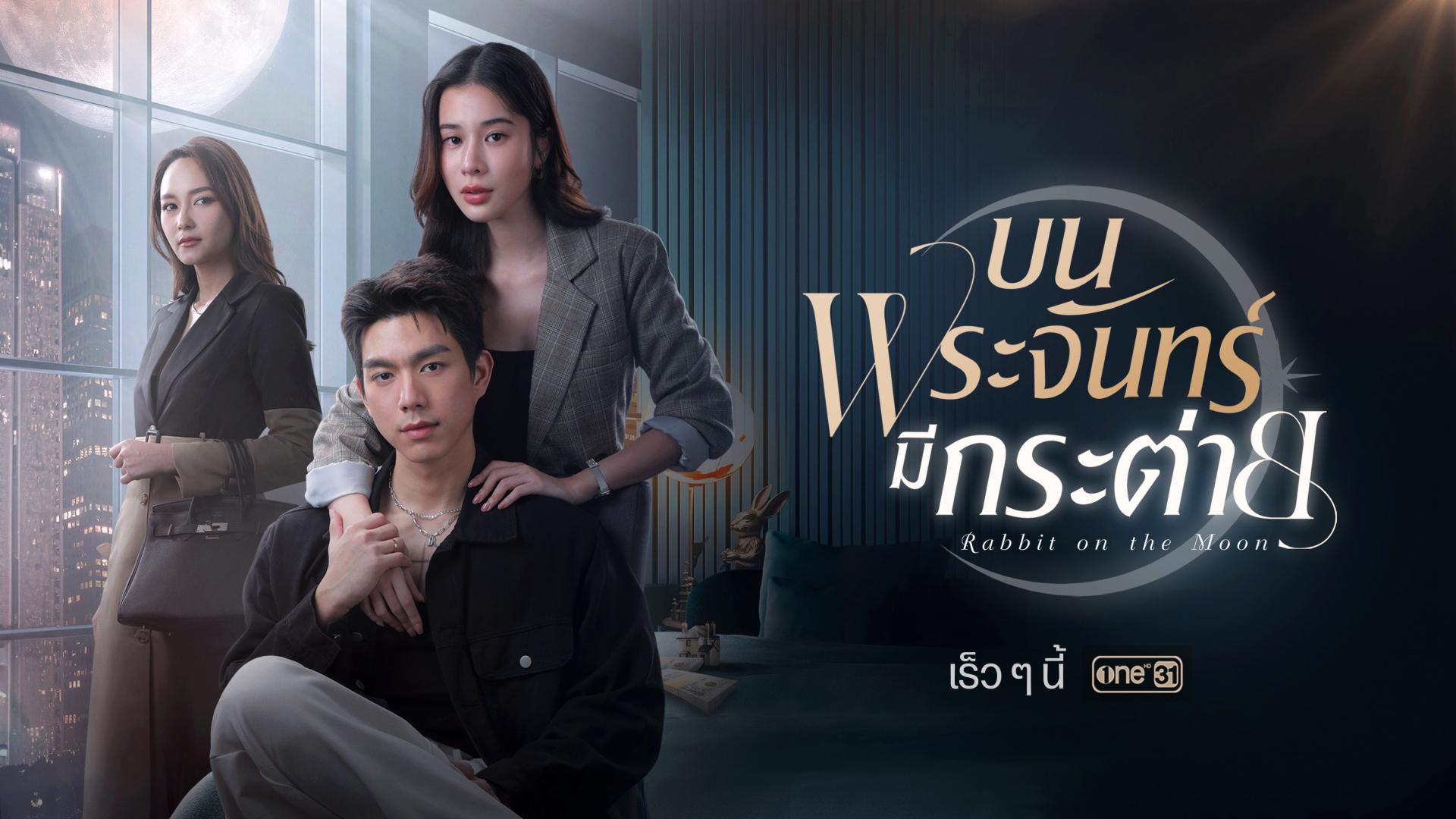
If you’ve been hanging around the Thai entertainment scene for more than five minutes, you know the vibe is usually divided into two camps: the sugary-sweet BL (Boys' Love) romances or the high-octane, slap-heavy lakorns. But then something like Rabbit on the Moon (known locally as Lueam Phra Chan) drops, and it basically throws the rulebook out the window. It’s gritty. It’s uncomfortable. Honestly, it’s the kind of show that makes you want to turn on all the lights in your house while simultaneously clicking "Next Episode."
The show isn't just another melodrama. It’s a deep, often painful dive into the psyche of people who have been pushed to the absolute edge of society. If you’re looking for a "happily ever after" where the main couple rides off into the sunset without a scratch, you might want to look elsewhere. This drama is about the scars—the ones you see and the ones you definitely don't.
What Rabbit on the Moon is Actually About
At its core, Rabbit on the Moon follows the story of characters trapped in a cycle of trauma and survival. We’re talking about Phra-chan, a woman whose life has been anything but easy. The title itself is a bit of a poetic gut-punch. In Thai folklore (and many Asian cultures), we look at the moon and see a rabbit. It’s a symbol of sacrifice, but also of being stuck somewhere unreachable and cold. That’s exactly how these characters feel.
The narrative doesn't shy away from the reality of the sex work industry, the cycle of poverty, and the absolute failure of social safety nets. It’s heavy stuff. You've got Phra-chan trying to navigate a world that essentially treats her as disposable. The drama explores what happens when a human being is stripped of their dignity and forced to claw it back with their bare fingernails. It’s a "Rabbit on the Moon Thai drama" staple to have high stakes, but this one feels more grounded in a reality that many would rather ignore.
The pacing is deliberate. Some viewers might find the first couple of episodes a bit of a slow burn, but that’s intentional. You need to feel the weight of the mundane struggle before the explosions—emotional and literal—start happening. It builds a sense of dread that is hard to shake off.
The Cast That Makes the Pain Real
You can have the best script in the world, but if the actors don't sell the trauma, the whole thing falls apart. Luckily, the casting here is top-tier.
Margie Rasri Balenciaga takes on the role of Phra-chan, and let me tell you, it’s a departure from some of her more lighthearted roles. She brings this hollowed-out look to her eyes that is genuinely haunting. You can see the exhaustion in her posture. Then you have Peter Corp Dyrendal, who brings a complex layer of masculinity to the screen—one that isn't just about being a "hero" but about being a flawed, sometimes broken, man.
Their chemistry isn't the "love at first sight" variety. It’s more like two drowning people grabbing onto each other. Sometimes they help each other stay afloat; other times, they almost pull each other under. It’s messy. It’s real. That’s what sets this apart from the polished, airheaded romances that often dominate the ratings.
Supporting Characters and Subplots
It isn't just about the leads. The ensemble cast populates a world that feels lived-in. You have the "mamas" of the brothels, the corrupt officials, and the family members who are often the source of the most intense pain. The drama does a fantastic job of showing that "villains" are often just people who were broken a long time ago and decided to break everyone else in return.
Why This Drama is Triggering a Conversation
There is a reason people are talking about Rabbit on the Moon in 2026. It’s because it tackles themes that are usually whispered about. Mental health is a massive one. For a long time, Thai media treated mental illness as a plot device or something to be cured by a "good person's love." This show doesn't do that. It shows that healing is a long, ugly, non-linear process.
- The Reality of Poverty: This isn't "TV poverty" where everyone still has perfect hair and a smartphone. It’s the kind of poverty that dictates every single choice you make, from what you eat to who you let touch you.
- Systemic Corruption: The show highlights how the people meant to protect the vulnerable are often the ones exploiting them. It’s a cynical view, sure, but one that resonates with a lot of people globally right now.
- The Female Experience: It looks at the specific ways women are commodified. It’s a feminist critique without being preachy. It just shows you the facts and lets you feel the anger yourself.
Breaking Down the "Rabbit" Symbolism
Why the moon? Why a rabbit? In the original legends, the rabbit offers itself to be eaten by a hungry beggar (who is actually a god in disguise). The god is so moved by the rabbit's selflessness that he draws its image on the moon for everyone to see.
In the Rabbit on the Moon Thai drama, this symbolism is flipped. Is sacrifice always noble? Or is it just a way for the powerful to demand even more from the powerless? Phra-chan is the rabbit. She’s been told her whole life that her value lies in what she can give up for others. The show asks: "When does the rabbit get to stop being a sacrifice and just be a rabbit?"
It’s a bit of a philosophical trip for a primetime drama, isn't it? But that’s why it sticks with you. You find yourself thinking about it while you’re doing the dishes or driving to work.
Production Value and Cinematography
Visually, the show is stunning, but in a "dirty" way. The color palette is full of sickly yellows, deep shadows, and neon lights that feel more oppressive than glamorous. It captures the humid, crowded feel of certain parts of Bangkok perfectly. You can almost smell the street food and the exhaust fumes.
The soundtrack also deserves a shout-out. It doesn't rely on those over-the-top orchestral swells that tell you EXACTLY HOW TO FEEL. Instead, it uses a lot of ambient noise and sparse, melancholic melodies. It allows the silence to do the heavy lifting. Sometimes, the quietest scenes are the ones that scream the loudest.
Comparing it to Other Modern Thai Classics
If you liked Girl from Nowhere or Bad Genius, you’ll probably find something to love here. It shares that same DNA of wanting to expose the rot underneath the surface of "polite" society. However, while Girl from Nowhere is more supernatural and episodic, Rabbit on the Moon is a serialized, deeply human tragedy.
It’s also interesting to compare it to the original source material. Thai dramas are often based on older novels, and updating those stories for a 2026 audience is a tightrope walk. You have to keep the soul of the story while removing the outdated tropes (like the "slap-kiss" dynamic that used to be way too common). This production mostly succeeds in modernizing the ethics of the story.
What Most People Get Wrong About the Ending
Without spoiling the specifics, there’s a lot of debate online about whether the ending is "happy."
People get caught up in wanting a neat bow. They want the bad guys in jail and the good guys in a mansion. But this show is smarter than that. The ending is realistic. It’s about "survival" rather than "victory." For these characters, just standing upright at the end of the day is a win. If you go into it expecting a Disney ending, you’re going to be disappointed. Go into it expecting a story about the resilience of the human spirit, and you’ll find it deeply moving.
How to Watch and What to Look For
If you’re watching this via streaming, pay attention to the subtext in the dialogue. Thai is a language of hierarchies. The way the characters address each other—the pronouns they use—tells you everything you need to know about their power dynamics. Even if you don't speak the language, you can hear the shift in tone when someone is being belittled or when they are finally standing up for themselves.
Also, keep an eye on the recurring motif of the moon. It appears in the background of almost every major turning point. It’s like a silent observer, cold and distant, watching these people struggle.
Actionable Steps for the Best Viewing Experience
To truly appreciate the depth of Rabbit on the Moon, don't just binge-watch it in the background while scrolling on your phone. It’s a heavy meal; you need to chew it.
- Watch in Original Audio: Even if you rely on subtitles, the raw emotion in the actors' original voices is essential. Dubbing often strips away the nuance of the Thai "tonal" emotional delivery.
- Research the "Rabbit in the Moon" Folk Tale: Understanding the Buddhist roots of the sacrifice myth will make the character arcs of Phra-chan and her family much more poignant. It explains the "why" behind their sometimes frustrating choices.
- Check Content Warnings: This is serious. The show deals with sexual assault, domestic violence, and self-harm. If you are in a headspace where these things are too much, it is okay to skip this one or watch with a friend.
- Look for the Unofficial "Director’s Cut" Discussions: Fan forums often dissect the differences between the broadcast version and the streaming versions, which sometimes include more intense scenes that provide better context for character motivations.
The Rabbit on the Moon Thai drama stands as a testament to how far Southeast Asian storytelling has come. It’s brave, it’s unflinching, and it refuses to give easy answers to hard questions. It might not be the "comfort watch" you’re used to, but it’s definitely the one you’ll remember the longest.