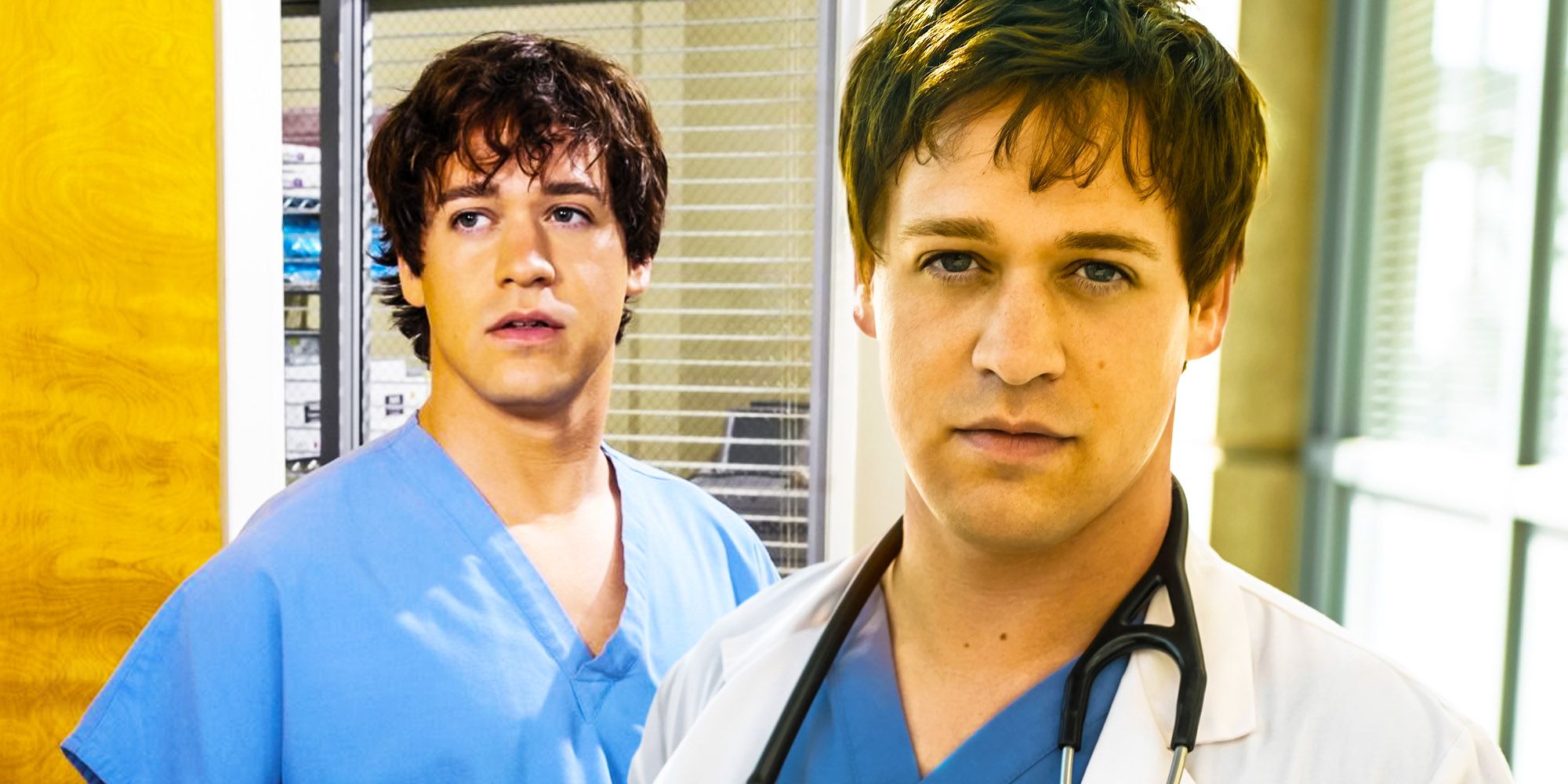
Honestly, if you were watching TV in 2009, you remember exactly where you were when the Grey's Anatomy 007 scene happened. It wasn't just a plot twist. It was a cultural reset for medical dramas. For five seasons, we watched George O’Malley—the bumbling, kind-hearted "heart in an elevator" guy—try to find his footing at Seattle Grace. Then, in a single moment involving a finger tracing numbers on a palm, Shonda Rhimes broke the collective heart of the internet.
The brilliance of that reveal didn't come from a massive explosion or a high-speed chase. It came from a John Doe. A guy so mangled by a bus that his own best friends didn't recognize him.
The Tragic Anatomy of the 007 Reveal
Let's look at the mechanics of how this went down because the writing here was actually pretty surgical. Throughout the Season 5 finale, "Now or Never," the doctors are treating a man who jumped in front of a bus to save a complete stranger. He’s unrecognizable. Swollen. "Meat" as the surgeons might callously put it. Meanwhile, George has supposedly joined the Army. Everyone is looking for him to say goodbye.
Then comes the moment.
Meredith is at the John Doe's bedside. He’s struggling. He grabs her hand. At first, it looks like a reflex. Then, with agonizing slowness, he uses his finger to trace "007" on Meredith’s palm.
007. The nickname from the pilot episode. The joke that haunted George because he "failed" his intern exam (or rather, "licensed to kill"). The look on Ellen Pompeo’s face when she realizes she’s holding George’s hand? That’s the peak of the show. She screams, "It's George!" and the entire hospital shifts into a different gear. It’s chaotic. It’s devastating. It’s why we still talk about this scene over a decade later.
Why the "License to Kill" Nickname Mattered
You have to remember that in the very first episode of the series, Alex Karev gave George that nickname. It was a jab. George had frozen during an appendectomy—the "humble appy"—and nearly killed a patient. To see that same insulting nickname used as his final communication was a masterstroke of circular storytelling.
It reclaimed the insult.
In that moment, 007 didn't mean a failure. It meant a hero. George didn't die because of a mistake in the OR; he died because he was the kind of person who would throw himself in front of a bus for a stranger.
Behind the Scenes: Why T.R. Knight Left
Television isn't just about the script; it's about the contracts. T.R. Knight’s exit was fueled by real-world friction. There was a "breakdown in communication" with showrunner Shonda Rhimes, and Knight has been vocal in the past about feeling like his character's screen time was evaporating.
He told Entertainment Weekly back then that he chose to leave because he felt it was better to move on than to stay in a role that was stalling. There was also the infamous 2007 incident involving Isaiah Washington using a homophobic slur, which created a rift on set. By the time the Grey's Anatomy 007 scene aired, the tension behind the camera was just as thick as the drama on it. Knight reportedly didn't even want a big "send-off" episode where he moved away; he wanted something definitive.
He got it.
The Elevator Scene: A Liminal Masterpiece
While the 007 reveal is the shock, the "Elevator Scene" is the emotional payoff. As George is flatlining on the operating table, Izzie Stevens (played by Katherine Heigl) is also dying in another room after her cancer surgery.
We see a vision.
Izzie is in her pink prom dress. The elevator doors open. She expects to see Denny. Instead, she sees George. He’s standing there in his Army dress blues, head shaved, looking healthy and at peace.
It’s a wordless exchange. They just look at each other. It signaled to the audience that George was gone, even before the monitors flatlined. This is arguably the most iconic use of the Seattle Grace elevator, a location that has seen everything from first kisses to neurosurgery.
How the 007 Scene Changed the Show’s DNA
Before George died, Grey’s Anatomy felt like a show where the core "MAGIC" interns (Meredith, Alex, George, Izzie, Cristina) were invincible. Sure, patients died. Sure, Denny died. But the core five? They were safe.
George’s death shattered that. It proved that anyone could be written out in the most brutal way possible.
- It set a precedent for Lexie and Mark's deaths in the plane crash later on.
- It shifted the tone from a quirky dramedy to a "no one is safe" tragedy.
- It forced Meredith to grow up. She lost her "person" (Cristina would leave later, but George was her first major loss of a peer).
Many fans argue the show never quite recovered its original "heart" after the 007 reveal. George was the moral center, the guy who cared too much. Without him, the hospital became a bit colder, a bit more cynical.
Addressing the "John Doe" Logic
Some fans still nitpick the logic. How did they not recognize his birthmark? How did they not realize a surgeon was missing for hours?
In reality, trauma like that—being dragged by a bus—causes massive "degloving" injuries and facial swelling. The show leaned heavily into the medical reality that a human body can become unrecognizable in seconds. It was a convenient plot device, sure, but it worked because it kept the audience in the dark right along with the characters. We were just as blind as Meredith until that finger hit her palm.
What to Do if You’re Rewatching Now
If you are diving back into Season 5, keep an eye on George in the episodes leading up to the finale. You’ll notice he’s barely there. He’s in the background of scenes, often without lines. It’s a haunting foreshadowing of his "disappearance" from the lives of his friends.
To truly appreciate the Grey's Anatomy 007 scene, you should:
- Watch the Pilot first. Re-watch the scene where Alex Karev mocks him. It makes the finale hit ten times harder.
- Pay attention to the patient. The "John Doe" actually tries to communicate earlier in the episode, but everyone ignores him because they’re too busy with their own drama. It’s a stinging critique of the doctors' egos.
- Check the credits. T.R. Knight is credited, but because he’s under so much prosthetic makeup as John Doe, you don't actually see his face until the very end, which added to the mystery during the original broadcast.
George O’Malley’s exit remains the gold standard for how to write a character off a show. It wasn't a "move to Switzerland" or a "disappear into the sunset." It was a violent, heroic, and deeply personal conclusion to a character who always felt like the underdog. Even now, 007 isn't just a number in the Grey's universe; it's a reminder that the people we overlook are often the ones who save us.
Next Steps for Fans:
If you're looking for more behind-the-scenes context, track down the book How to Save a Life: The Inside Story of Grey's Anatomy by Lynette Rice. It features raw interviews with the cast and crew about the day they filmed the 007 reveal and the tension that led up to T.R. Knight’s departure. Understanding the set dynamics makes the on-screen tragedy feel even more layered.