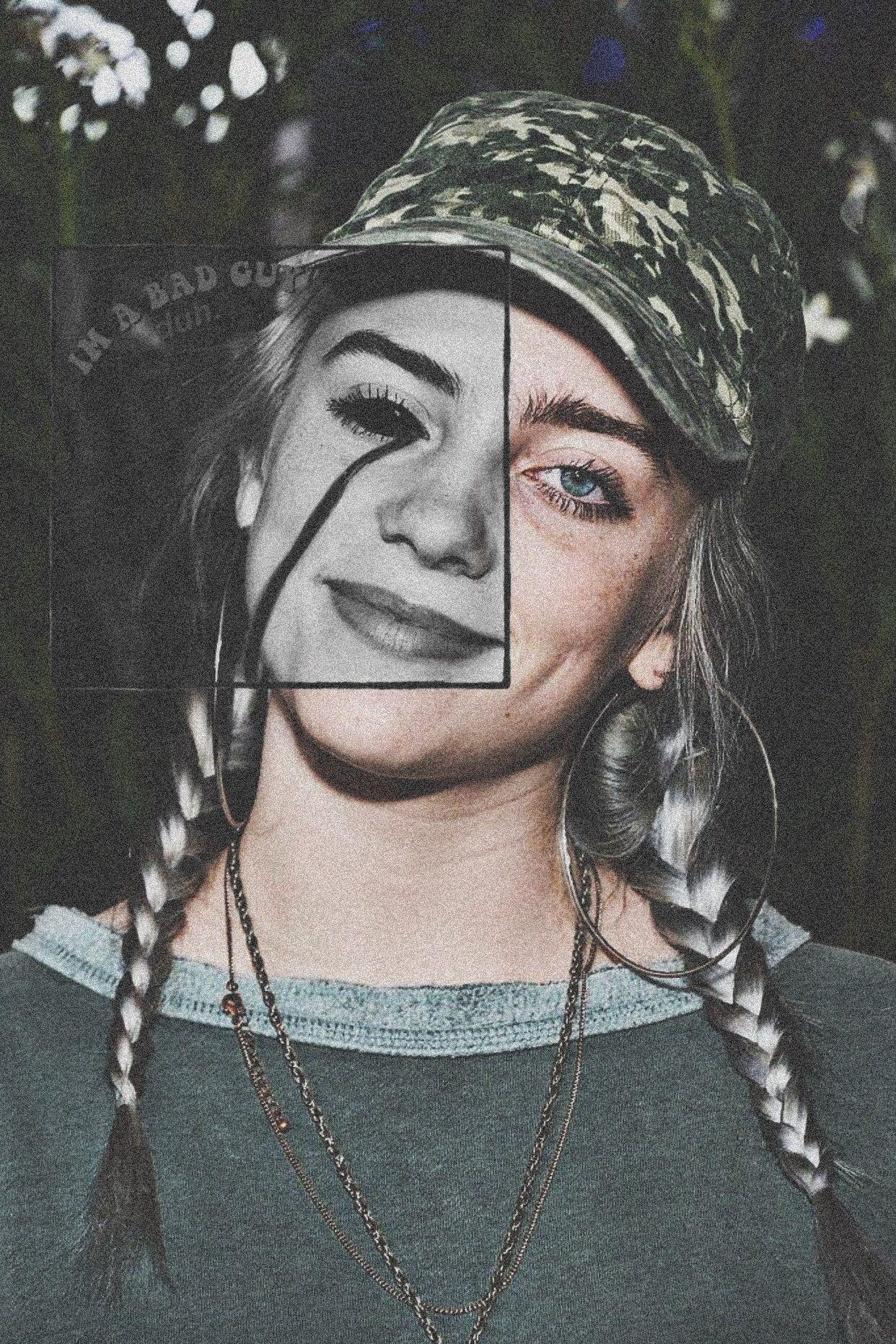
You know that feeling when you're lying on your bedroom floor at 2 a.m. and the only thing that understands you is a pair of headphones? That’s basically the Billie Eilish experience. It’s not just "sad music." It’s a specific brand of clinical, quiet, and sometimes terrifying vulnerability that has basically rewritten the rules of pop music over the last decade.
Honestly, by 2026, we’ve seen plenty of artists try to mimic that "whisper-pop" aesthetic. But they usually miss the mark. They get the breathy vocals right, but they forget the dirt under the fingernails—the actual, messy, "I don't want to be here" reality that Billie and her brother Finneas bake into every track.
Whether you’re a Day 1 Ocean Eyes stan or you just got your heart ripped out by HIT ME HARD AND SOFT, there’s a reason Billie Eilish sad songs feel like a weighted blanket for your brain.
The Evolution of the "Eilish Sadness"
It started in a bedroom. Literally.
When Ocean Eyes dropped, it was ethereal. Dreamy. But as she grew up in the public eye, the sadness got heavier. It shifted from "I miss you" to "I don't like who I see in the mirror." That’s a massive distinction. Most pop stars want you to want to be them. Billie? She wrote idontwannabeyouanymore.
That track is a masterclass in self-loathing. "Hands getting cold / losing feeling is getting old." It’s clinical. It’s not romanticized; it’s a report from the front lines of a depressive episode.
Why we can’t stop listening
Psychologists actually have a term for this: "Sadness Congruence." Basically, when we're down, we don't want "Happy" by Pharrell. We want someone to validate that the world feels grey.
Billie’s music functions as a form of mood regulation. Because she uses ASMR-style production—the mouth sounds, the close-mic whispers, the paper-thin vocals—it feels like she’s sitting right next to you. It’s a parasocial hug.
The Tracks That Still Break Us (A Definitive Ranking of Pain)
If you're looking to really lean into the feelings, these are the heavy hitters. I've left out the obvious radio bops to focus on the ones that actually hurt.
1. "The 30th"
This is arguably one of the most stressful songs ever written. It’s not about a breakup; it’s about a literal car accident involving someone she loves. The way the song builds—starting with a simple guitar and ending in a breathless, panicked realization that "you're alive, you're alive, you're alive"—is exhausting in the best way. It captures that specific trauma of the "almost." What if the timing had been different?
2. "What Was I Made For?"
The Barbie movie might have been a neon-pink explosion, but this song is a grey void. It’s the ultimate "identity crisis" anthem. For anyone who has ever felt like they’ve lost their spark or forgotten how to be a person, this hits the jugular. "I used to float, now I only fall." Ouch.
3. "TV"
Recorded live with the audience’s low hum in the background, this song feels lonely even though there are thousands of people in the room. It’s about the numbness of the 24-hour news cycle and how, sometimes, we use television to drown out the fact that our own lives are falling apart. "The internet's gone wild watching movie stars on trial / while they're overturning Roe v. Wade." It's one of her most overtly political yet deeply personal moments.
4. "BLUE"
The closing track of HIT ME HARD AND SOFT is a Russian nesting doll of sadness. It’s actually two songs in one. It’s the realization that you can’t save someone who doesn’t want to be saved. The lyric "I'd like to mean it when I say I'm over you" is the most relatable lie ever told in pop music.
Finneas and the "Invisible" Production
We have to talk about Finneas O’Connell.
He’s the secret sauce. While Billie provides the raw emotional data, Finneas builds the house for it to live in. He’s gone on record saying his goal is to make the production "invisible." He wants you to hear Billie, not the gear.
In When the Party's Over, that wasn't just a synth. It was layers upon layers of Billie’s own voice, pitched and manipulated to sound like a choir of ghosts. It’s that attention to detail—using a dentist’s drill sound in Bury a Friend or the clicking of a crosswalk signal in Bad Guy—that makes the "sad" songs feel so tactile.
Common Misconceptions: Is it "Glazing" Depression?
Critics used to claim Billie was romanticizing mental illness.
That feels like a bad take in hindsight.
If anything, she’s demystifying it. There’s nothing "cool" about the way she describes addiction in Xanny or the suicidal ideation in Everything I Wanted. She’s described Everything I Wanted as a nightmare she actually had—jumping off the Golden Gate Bridge and realizing that even in death, the media would just find a way to criticize her. That’s not "glamorous." It’s a cry for help that turned into a bridge for others to feel less alone.
The 2026 "Sad Girl" Landscape
Music has changed. The "sad girl" trope is now a billion-dollar industry, but Billie remains its reluctant CEO.
What's interesting now is how her sadness has shifted. On the latest record, there’s a lot of "post-fame" melancholy. It’s the sadness of having everything you ever wanted and realizing it didn't actually fix the hole in your chest. That's a harder sell than "my boyfriend broke up with me," but she pulls it off because she’s honest about the guilt of being unhappy while being successful.
Actionable Listening Guide
If you’re going through it right now, don't just shuffle her entire discography. Match the song to the specific flavor of "bad" you're feeling:
- For Body Dysmorphia/Insecurity: Listen to Skinny. It’s a brutal look at how the world treats you differently when your body changes.
- For Grieving a Friendship: Go with WILDFLOWER. It’s messy. It’s about the guilt of dating a friend’s ex and the complicated grief that comes with it.
- For Pure Existential Dread: Ilomilo. It’s based on a puzzle game, but it’s really about the paralyzing fear of losing someone you love.
- For the "I'm the Problem" Phase: Male Fantasy. It’s stripped back, honest, and captures that stagnant feeling of being stuck in your own head.
Billie Eilish sad songs aren't meant to be "solved." They're meant to be inhabited. The next time you feel like the world is a bit too much, just remember that even the girl with the Grammys and the Oscars still feels like she’s "made from a broken mold" sometimes.
Next Steps for the Listener:
To get the most out of these tracks, try listening to the HIT ME HARD AND SOFT isolated vocal stems if you can find them. Hearing the raw, dry take of her voice without the reverb is a completely different emotional experience. Also, check out the live "Guitar Songs" EP for the most stripped-back versions of her recent writing.